Speakers
Plenary speakers
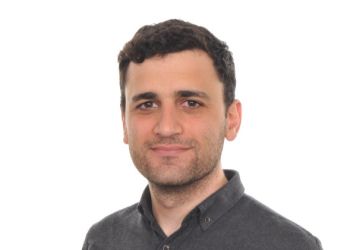
Yuval Elani
Imperial College London, UK

Ania Fryszkowska
Novartis, CH
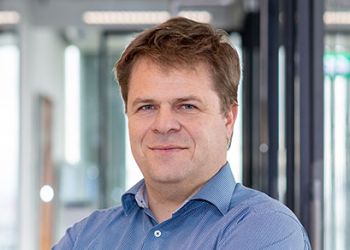
Sebastian Hiller
University of Basel, CH

Kathrin Lang
ETH Zurich, CH

David A. Leigh
University of Manchester, UK

Stephen Mann
University of Bristol, UK
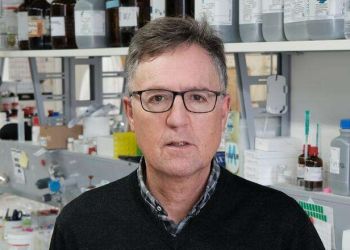
José Luis Mascareñas
University of Santiago de Compostela, ES
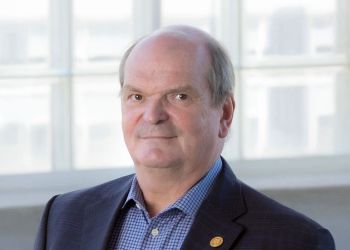
Krzysztof Palczewski
University of California, Irvine, USA
Stephen Quake
Stanford University, USA
Pierre Stallforth
Hans Knöll Institute, DE
Savas Tay
University of Chicago, USA
Selected speakers
Corentin Bon
University of Basel, CH
Anton Budeev
University of Basel, CH
Nicolas Huguenin-Dezot
ETH Zurich, CH
Petra Jusková
ETH Zurich, CH
Florian Leidner
Max Planck Institute for Multidisciplinary Sciences, DE
Zhong Li
University of Basel, CH
Miguel Paraja Ramos
University of Geneva, CH
Immanuel Plangger
University of Basel, CH
Xudong Ren
University of Geneva, CH
Microfluidics, Automation, and Engineered Biomembranes as Enabling Technologies in Synthetic Cell Design
Yuval Elani, Imperial College London, UK
Synthetic cells (SynCells) are bio‑inspired micromachines constructed from molecular building blocks that mimic the form and function of biological cells. Despite their promise, most SynCells remain structurally simplistic, primarily consisting of spherical liposomes, in contrast to their biological counterparts, which are highly compartmentalised. Because form and function are tightly intertwined, this lack of architectural complexity limits the emergence of more sophisticated behaviours.
In this talk, I will describe how we overcome these limitations by employing microfluidic assembly lines for SynCell production, enabling the generation of a wide repertoire of SynCell architectures. This, in turn, allows the creation of synthetic cells with emergent behaviours, including motility, bioproduction, cell–cell communication, collective actuation, and responsiveness to a variety of stimuli such as temperature, light, and magnetic fields.
In addition, we have recently expanded our toolkit to access the nanoscale by using automated approaches to generate and screen liposome libraries. Combined with rational design, this enables the construction of nano‑organelles for multi‑stage release of different payloads at defined time points, as well as the development of attolitre bioreactors for in situ biochemical synthesis.
Engineering Enzymes to Build Molecular Complexity: How Biocatalysis Is Reshaping Drug Discovery and Development
Ania Fryszkowska, Novartis, CH
The construction of molecular complexity is a central challenge in modern drug discovery and development, driven by increasingly sophisticated therapeutic modalities, rising sustainability expectations, and compressed development timelines. Enabled by advances in directed evolution, computation, automation, and analytics, biocatalysis has evolved from a niche synthetic tool into a broadly enabling and programmable technology, reshaping how molecules are designed, synthesized, and manufactured across the pharmaceutical pipeline.
This talk offers an industry perspective on the evolving landscape of biocatalysis in pharma, highlighting how integrated industrial teams are driving the adoption of enzymes as versatile, scalable, and designable catalysts across the pipeline. Through selected case studies spanning small molecules, peptides, and bioconjugates, it illustrates how engineered enzymes enable efficient C–C and C–N bond formation, access to stereochemically dense motifs, and site‑selective functionalization—transformations that remain challenging for traditional chemical synthesis.
Integrative Structural Biology with Solution NMR Spectroscopy
Sebastian Hiller, University of Basel, CH
Structural biology is arguably at the height of its time. The integrated use of experimental and AI methods resolves problems at atomic level that have long been out of reach. Thereby, solution NMR spectroscopy is ideal to connect static structures towards their functional dynamics.
I will describe recent successes to employ solution NMR spectroscopy in such integrated setups, emphasizing the interplay between the different methods. Our journey starts with protein biogenesis in the endoplasmic reticulum (ER), where newly synthesized nascent chains are refolded by a network of molecular chaperones. We discover biomolecular condensates as the organizing principle of this chaperone network and report detailed functional and structural studies.
We then resolve the complete functional cycle of an ATP-driven molecular machine, the Hsp70 chaperone BiP, at atomic level. We create a non-equilibrium steady-state under turnover conditions inside the NMR to resolve that BiP undergoes a branched functional cycle that is regulated by two autoinhibition switches.
Finally, we leverage protein design to establish an experimental pipeline for high-throughput characterization of protein structure and dynamics by NMR. With this setup, a single operator can produce and analyze hundreds of proteins per week at minimal cost, unlocking a new regime of statistical structural biology, where sequence–structure–dynamics relationships are gained from experimental ensemble studies of suitably designed proteins.
Reprogramming the Genetic Code to Study and Control Protein Function
Kathrin Lang, ETH Zurich, CH
Nature uses a limited set of twenty amino acids to synthesize proteins. In recent years, it has become possible to site-specifically incorporate designer amino acids with new chemical properties into proteins in living cells by reprogramming the genetic code. Continued advances have substantially improved the efficiency, fidelity, and scope of genetic code expansion technologies, enabling their broader application across complex biological systems. In parallel, the development of selective chemical reactions that operate within living systems has further strengthened the impact of these approaches on studying biological processes.
In this talk, I will present our lab’s efforts to expand the genetic code and to endow proteins with novel chemical functionalities within their physiological environment. By engineering more efficient and versatile genetic code expansion systems, we have enhanced the incorporation of noncanonical amino acids and enabled their application in increasingly challenging cellular contexts. Using these advances, we have developed tools to image and probe proteins, to study protein-protein interactions and stabilize low-affinity protein complexes, to investigate posttranslational modifications and to re-engineer and manipulate molecular networks and biological pathways such as ubiquitylation and SUMOylation in living cells.
We envision that ongoing improvements in efficiency and scope of genetic code expansion, together with the ability to encode complex posttranslational modifications, will enable the study of biological processes that are difficult or impossible to address by more classical methods.
Giving Chemistry Direction
David A. Leigh, University of Manchester, UK
Over the last three decades examples of synthetic molecular machines and motors have been developed, albeit primitive by biological standards. Such molecules are best designed to work through statistical mechanisms. In a manner reminiscent of Maxwell’s Demon, random thermal motion is rectified through ratchet mechanisms, giving chemistry direction.
It is increasingly being recognised that similar concepts can be applied to other chemical exchange processes. Ratchet mechanisms—effectively chemical engines in which catalysis of ‘fuel’ to ‘waste’ is used to drive another chemical process—can cause directional impetus in what are otherwise stochastic systems, including endergonic chemical reactions. This is ushering in a new era of non-equilibrium chemistry, providing fundamental advances in functional molecule design and the first examples of molecular robotics, overturning existing dogma and offering fresh insights into biology and molecular nanotechnology.
Molecular Systems Engineering in Protocell Networks
Stephen Mann, University of Bristol, UK
Recent progress in the chemical construction of compartmentalized semipermeable microscale objects comprising embodied cytomimetic functions is paving the way towards rudimentary forms of artificial cell-like materials (protocells/prototissues) as a step towards future proto-living technologies.
In this talk, I will demonstrate simple forms of individuated and collective molecular systems engineering in synthetic protocell networks. I will discuss recent studies on implementing programmable agency in synthetic protobiology, including: (i) enzyme-powered sensing, motility and oscillation; (ii) superstructural ordering and communication; (iii) information processing; (iv) spatiotemporal feedback; and predator-prey interactivity.
These studies offer new pathways towards intelligent matter based on artificial life materials capable of autonomic behaviour and programmable agency.
Transition Metal Catalysis: from Flasks to Live Cells
José Luis Mascareñas, University of Santiago de Compostela, ES
Transition metal complexes have proven invaluable across a broad spectrum of scientific disciplines, including catalysis, synthesis, photophysics, and supramolecular chemistry. Their diverse coordination geometries and redox properties, combined with the ability to fine-tune these characteristics through ligand modification, offer extensive opportunities for developing novel reactivities and tailored physicochemical responses.
Our research has focused on leveraging the unique features of transition metal complexes in catalysis, synthesis, and chemical biology. In recent years, we have explored the feasibility of adapting organometallic catalysis to function in biological environments, including within living mammalian cells. This endeavour poses significant challenges, particularly due to the sensitivity of many metal-catalyzed reactions to air and water, as well as the stringent demands for orthogonality and biocompatibility. Nonetheless, we have successfully developed several intracellular reactions promoted by palladium, ruthenium, and gold complexes.
Precision Gene Editing: Rewriting the Code of Life
Krzysztof Palczewski, University of California, Irvine, USA
TBA
Understanding the Mysteries of the Cell: How Do Many Cell Types Arise from One Genome?
Stephen Quake, Stanford University, USA
In this talk I will explore to what extent the genome is a blueprint for an organism and what are some of the key open problems in interpreting the information content of the genome. Among these open problems are the fact that today it is impossible to predict the various cell types of an organism from the genome alone. This has motivated efforts to characterize the molecular composition of various cell types within humans and multiple model organisms, both by transcriptional and proteomic approaches. We used single cell transcriptomics to create a human reference atlas comprising more than one million cells from 24 different tissues and organs, many from the same donor. This atlas enabled molecular characterization of more than 400 cell types, their distribution across tissues, and tissue-specific variation in gene expression, and provides an experimental basis to understand the cell type diversity which can be generated from a single genome. We have trained large language models on this data to help understand the relationships between cell types and across evolutionary history.
Exploring Natural Products in Space and Time: from Ancient Molecules to Microbial Arms Races
Pierre Stallforth, Hans Knöll Institute, DE
Microbial natural products remain a critical source of therapeutic agents. These compounds are often shaped by intricate ecological interactions. Predator–prey dynamics between amoebae and bacteria represent particularly rich reservoirs of these secondary metabolites. Amoebae, as ubiquitous bacterivores, exert strong selective pressure, driving bacterial defenses against grazing and, in turn, amoebal counter-adaptations. Within this evolutionary arms race, we investigate the biosynthesis and diversification of amoebicidal natural products, including polymicrobial modifications that expand their chemical repertoire. Extending this perspective into the past, we exploit ancient bacterial DNA to identify and reconstruct biosynthetic genes, providing access to previously untapped natural product diversity.
Spatiotemporal Characterization and Modeling of Cellular Interactions Using Single-Cell and Spatial Proteomics
Savas Tay, University of Chicago, USA
Cells process a diverse set of signals whose type, amplitude and dynamics constantly change, and aberrant signaling leads to inflammation, infection and cancer. We have been using automated live-cell analysis, single cell methods, and computational modeling for nearly two decades to study spatial and temporal characteristics of cellular communication in the immune system. I will describe our recent results on how immune cells process combinatorial and rapidly changing pathogen and cytokine signals by modulating transcriptional dynamics. We show how single cell interactions leads to emergent spatial “patterning” of pro-inflammatory gene expression across populations and tissues. I will introduce a new single cell proteomics technology called proximity sequencing (Prox-seq), which enables simultaneous measurement of proteins, protein complexes and mRNA in thousands of individual cells. Prox-seq combines proximity ligation with single-cell sequencing to measure proteins and their dimers from all pairwise combinations, providing quadratically-scaled multiplexing. Our measurements revealed formation and dissociation of protein complexes during exposure to pathogen inputs, and reveals previously unknown protein interactions in individual cells. I will also describe the extension of proximity sequencing to intact tissues like the germinal center (spatial Prox-seq), revealing functional distributions of proteins, protein complexes, cell-cell interactions and transcripts in the same spatially resolved locations, across thousands of spots in tissue. Finally, I will describe our latest results in high throughput microfluidic systems for automated analysis of tumor cells, organoids and microbial colonies, and their use for combinatorial drug screening in personalized therapy.
General Platform for Divergent Construction of Phosphorus-Modified DNA/RNA Backbones
Corentin Bon, University of Basel, CH
Phosphorus-containing biomolecules, including nucleotides, cyclic dinucleotides, and related cofactors, play central roles in signaling, immunity and enzyme regulation. Despite their biological importance, the highly anionic and polar nature of canonical phosphate linkages severely limits the therapeutic potential of nucleotide-based modalities by restricting membrane permeability, metabolic stability, and systemic delivery. Charge-neutral phosphorus backbones offer a promising solution, yet their development is hindered by synthetic challenges, limited structural diversity and incompatibility with oligonucleotide assembly workflows.
In this work, we present a unified platform that enables the direct modification of phosphorus centers within oligonucleotide backbones. Building on recent advances in organophosphorus radical chemistry, our strategy allows the engagement of diverse reaction partners with phosphorus centers under mild conditions, overcoming selectivity challenges typically encountered in complex nucleotide substrates. The synthetic concept opens access to previously inaccessible and unprecedented phosphorus linkages without relying on sensitive and unstable reagents or extensive protecting-group manipulations.
A Light and a Dark Method to Prepare Oligonucleotide Phosphorothioates with an Ideal Reagent
Anton Budeev, University of Basel, CH
With therapeutic oligonucleotides progressing from the treatment of rare genetic diseases to medications for common disorders, the synthesis of modified oligonucleotides is gaining significant momentum. To improve pharmacokinetic and pharmacodynamic properties, chemical modifications to the nucleotide backbone have thereby been particularly advantageous. Since Eckstein’s pioneering discovery in 1966, the phosphorothioate linkage has become the most useful oligonucleotide modification. Compared to phosphate, phosphorothioate is more resistant to cleavage by nucleases, resulting in improved elimination half-life of DNA or RNA sequence, extending from minutes to days. Moreover, the introduction of this moiety increases binding to serum proteins, amplifying the time available for uptake into target tissues. This moiety can be found in 9 FDA-approved oligonucleotides.
However, common reagents used for the sulfurisation of phosphorothioate oligonucleotides have several disadvantages, including toxicity, cost- and atom-inefficiency, and compromised stability, underscoring the need for alternative sulfurisation protocols. In this work, we developed a more sustainable, mild and general methodology for photocatalytic sulfurisation to prepare phosphorothioates using regular thiosulfate as a benign sulfur source. Additionally, the protocol is switchable to oxygenation for the synthesis of phosphates by implementing aerobic reaction conditions. More importantly, the protocol was integrated into standard solid-phase phosphoramidite oligonucleotide synthesis using riboflavin (vitamin B2) as a photocatalyst in water. A variant of the reaction without the need of light irradiation was also developed. We believe the method represents a cost-efficient and sustainable means for the synthesis of DNA and RNA phosphorothioates and phosphates.
PRIME: A Modular Plasmid-Based Platform for Continuous In Vivo Protein Evolution Across Bacteria
Nicolas Huguenin-Dezot, ETH Zurich, CH
Directed evolution has become an essential strategy for engineering proteins with novel or enhanced functions, yet most existing approaches remain labour-intensive, low-throughput, and difficult to scale over extended evolutionary trajectories. Here, we present PRIME (Protein-primed Replication for In vivo Mutagenesis and Evolution), a plasmid-based, orthogonal DNA replication system that enables continuous directed evolution directly in Escherichia coli and Pseudomonas putida.
PRIME leverages the unique mechanism of protein-primed DNA replication to establish an independent replication module that operates alongside the host replication machinery. By tuning the fidelity of the dedicated DNA polymerase, mutations are selectively introduced into a target gene encoded on an orthogonal plasmid, while preserving the genomic integrity of the host cell. This design allows continuous diversification and selection to occur in vivo over extended time periods, facilitating the exploration of large evolutionary landscapes with minimal experimental intervention.
Importantly, the system is fully compatible with standard molecular biology workflows and does not require specialised equipment, making it readily accessible and easy to implement. The plasmid-based architecture further ensures modularity and flexibility, enabling straightforward adaptation to different targets and experimental setups.
In summary, PRIME provides a powerful and user-friendly platform for continuous in vivo evolution, with broad applications in protein engineering, synthetic biology, and biotechnology.
Biohybrid System to Evaluate Antibiotic Efficacy through Tissue-Like Lipid Membrane Barrier
Petra Jusková, ETH Zurich, CH
The increasing prevalence of drug- and multidrug-resistant pathogens poses a major challenge to the modern healthcare system, demanding the development of new tools for antibiotic treatment evaluation. Uropathogenic Escherichia coli (UPEC), which can invade bladder umbrella cells, is responsible for many recurrent and diKicult-to-treat urinary tract infections. A subpopulation of cells residing intracellularly in host tissue is shielded by a series of membrane barriers that limit antibiotic access, making this environment diKicult to reproduce and characterize in vitro.
In this work, we transformed the concept of artificial cells into a new platform to evaluate drug eKicacy directly on living cells enclosed within tissue-like droplet-based compartments. We formed droplets containing either bacteria or antibiotics and used droplet interface bilayers (DIBs) to facilitate drug transport. We engineered an open microfluidic platform that allowed precise spatiotemporal control over droplet position and thus DIB formation. We demonstrated the possibility of exposing encapsulated bacteria to increased antibiotic concentration, drug withdrawal, and sequential antibiotic gradients. We mimicked tissue barriers using droplet networks and demonstrated that the response to antibiotic treatment depends on the number of membranes separating cells from the antibiotic source.
In summary, this platform provides a versatile in vitro bioassay for evaluating bacteria–antibiotic interactions under spatially controlled conditions, with potential applications in antimicrobial discovery and therapeutic development.
Engineering Protein Function through Conformational Reprogramming
Florian Leidner, Max Planck Institute for Multidisciplinary Sciences, DE
Proteins are soft materials that sample a large ensemble of conformations centered on a few metastable states. Enzymatic function is closely linked to the populations and interconversion of these metastable states. This suggests that the ability to manipulate conformational equilibrium would provide a powerful tool for engineering protein function. However, rational manipulation of conformational ensembles remains challenging. Structural information is usually restricted to the most populated states, and predicting the eAects of amino acid substitutions on the broader ensemble is diAicult. Although some computational approaches can estimate these eAects, their high cost restricts exploration to a small number of candidate mutations. As a result, our ability to engineer functional landscapes by directly modulating protein dynamics remains severely limited.
To address this challenge, we developed a method to manipulate conformational ensembles through sequence design, combining physics-based simulations with deeplearning- based generative models. First, molecular dynamics simulations and Markov state models are used to characterize the conformational landscape and identify metastable states. Then, inverse folding models are used to calculate state-specific amino acid frequencies. These frequencies predict amino acid substitutions that shift the conformational equilibrium toward a target state. By explicitly considering multiple metastable states, this approach avoids a key limitation of traditional structure-based design, where mutations optimized for a single structure often introduce unintended secondary eAects.
We demonstrate the feasibility of this approach using a short-chain dehydrogenase/reductase that is used in the hybrid bioorganic synthesis of taxanes. Molecular simulations showed that the catalytically competent state competes with several unproductive conformations, which limits catalytic turnover of the enzyme. Based on these results, we designed variants predicted to shift the conformational equilibrium toward the active state. Subsequent simulations revealed a significant increase in the population of the catalytically competent state. Importantly, biochemical experiments confirmed a corresponding improvement in enzymatic activity. These results demonstrate that the functional landscape of an enzyme can be altered by manipulating its conformational ensemble. More broadly, this approach provides a general strategy for designing proteins by directly modulating conformational landscapes. We currently seek to extend this framework to new systems and functions.
Short-Circuiting the SAM-Cycle in E. coli
Zhong Li, University of Basel, CH
Enzyme-mediated transfer of methyl groups to specific nucleophilic functions on small metabolites, proteins, and nucleic acids is an essential activity in all known life forms. Most of these transferred methyl groups originate from the one-carbon metabolism through methyl-tetrahydrofolate-dependent methylation of homocysteine, followed by adenosylation of methionine to form the primary methyltransferase cofactor, S-adenosylmethionine (SAM). In this report, we describe a strain of Escherichia coli with a Short-Circuited SAM-Cycle (SCSC) that maintains its SAM pool exclusively by methylating S-adenosylhomocysteine (SAH) using a synthetic methyl donor. Construction of this strain was made possible by the identification of an aryl sulfonate methyl ester as a biocompatible methyl donor and methyltransferases that accept this compound as substrate for in vivo methylation of SAH. We exploited this organism for the optimization of SAH-methylating enzymes by in vivo selection and to produce isotope-labeled natural products. Looking ahead, we anticipate that strains with SCSCs will open new possibilities for methyltransferase biocatalysis, natural product discovery, and bacterial metabolomics.
Ion-Pair Breakers and Anionic Brønsted Acids for Helmholtz-Layer Catalysis with External Electric Fields in Microfluidic Capacitors
Miguel Paraja Ramos, University of Geneva, CH
Inspired by the intrinsic internal electric fields present in enzymes, externally applied electric fields (AEFs) have long been predicted to accelerate and direct electron movement. However, the practical implementation of AEFs under standardized conditions for organic synthesis has yet to be realized. To face this challenge, we implemented catalytic Helmholtz layers in microfluidic capacitator. In response to an AEF, tetrabutylammonium bisulfate in apolar solvents was found to dissociate and assemble into Helmholtz layers, generating strong effective electric fields (EEFs) that enhance the acidity of the bisulfate Brønsted acid anion, thereby catalyzing epoxide- opening polyether cascade cyclizations. To boost catalytic activity and enable unique AEF-driven reactivity, anion-binding ion-pair breakers are introduced. These amplifiers facilitate ion-pair separation and incorporate molecular recognition motifs into the catalytic Helmholtz layers. The insights gained in this study provide a conceptual mechanistic framework for the development of practical AEF catalysis for applications in organic synthesis.
Development of Artificial Terpene Cyclases
Immanuel Plangger, University of Basel, CH
Terpene cyclases catalyze highly selective polycyclization cascades that transform linear polyisoprenoid precursors into complex, three-dimensional terpenoid scaffolds. Depending on their mechanism, these enzymes initiate catalysis either by diphosphate abstraction (type I) or by protonation (type II), thus triggering carbocation-driven cyclization pathways. The resulting natural products are formed with exquisite regio-, enantio-, and diastereoselectivity. However, despite their remarkable synthetic power and utility, terpene cyclases are largely restricted to substrates bearing a native substitution pattern — typically trisubstituted alkenes. Although synthetic methodologies relying on small-molecule catalysis allow a broader substrate scope, precise stereocontrol remains challenging, especially for substrates bearing electron-deficient alkenes.
Here, we present our studies toward the development of artificial terpene cyclases that utilize new-to-nature reactivity to expand the biocatalytic substrate scope for polycyclization and provide a chemoenzymatic strategy for the asymmetric synthesis of bioactive abietane diterpenoids.
A Traceless Tag for Proteins Delivery through TMU
Xudong Ren, University of Geneva, CH
The delivery of proteins through cell membranes without modifying their structure (traceless delivery) is of vital importance but remains challenging. Among all the pathways for achieving the delivery, thiol-mediated uptake (TMU) has attracted growing attention as an unorthodox yet powerful approach, involving dynamic covalent exchange networks (Figure left). Recently, the Matile group developed a new cell-penetrating polydisulfides (CPDs) method, enabling the traceless delivery of cysteine-modified GFP at nanomolar concentrations via grafting-to bioconjugation.
Compared to thiols, amines are among the most abundant reactive groups on native proteins, being present on lysine side chains and at peptide N-termini. For generalising the aforementioned CPDs method to amine-based bioconjugation, as well as preserve the traceless property, we designed a delivery tag (Structure in box) in which the target proteins (GFP as an example) are linked to a trimethyl lock (red) though an amide bond which is cleavable by cellular reductase. Meanwhile, the structure incorporates an active disulfide moiety enabling rapid disulfide exchanges with the CPDs and facilitating cellular uptake via TMU.
Preliminary studies on GFP have shown promising results (Figure right), demonstrating the delivery efficiency and the tracelessness. Ongoing work is extending this approach to more complex cargos, such as antibodies and streptavidin.